Video Output over USB

jmarsh has added support for Fresco Logic 2000 USB video adapters to their teensy4_usbhost library.
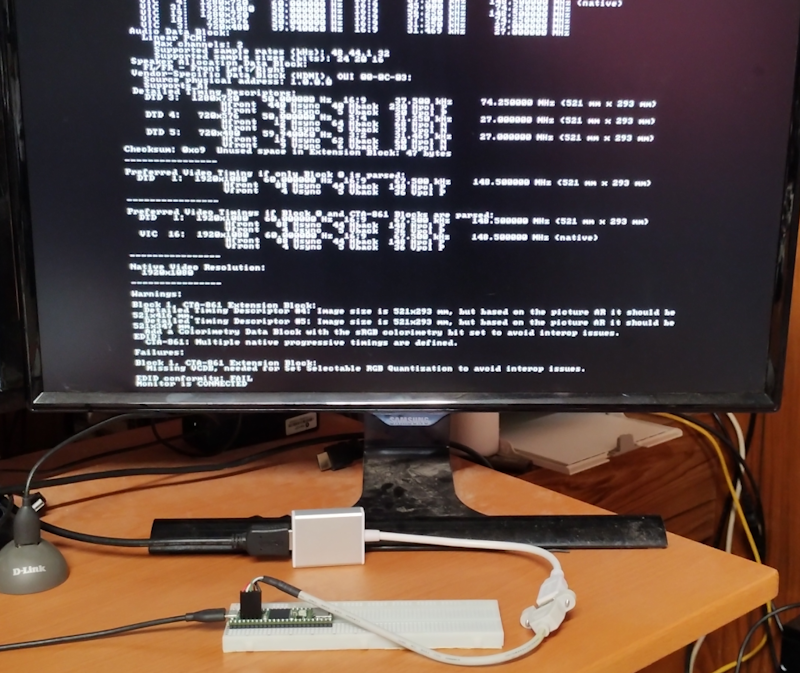
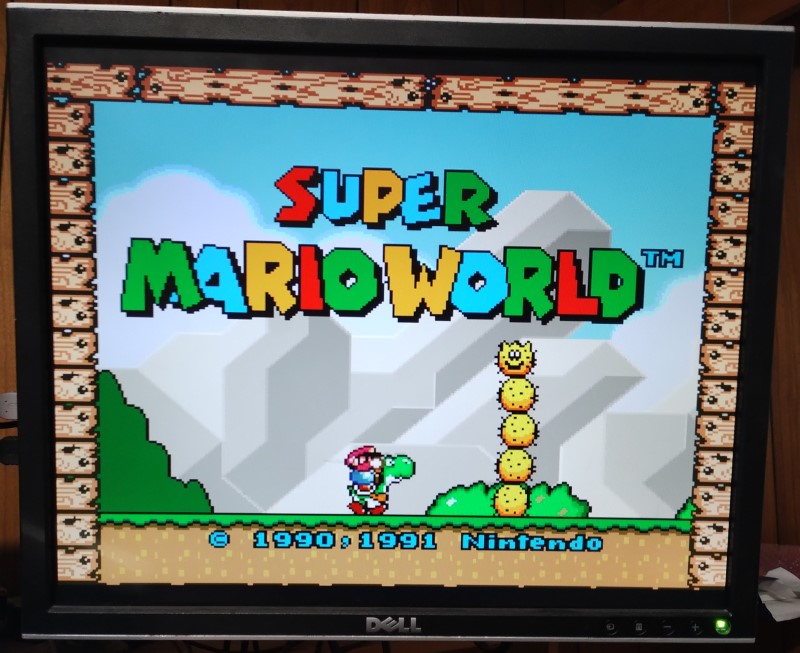
Typically available for less than $20, these devices can add up to 800×600 pixel SVGA-class video output (limited by USB 2.0 bandwidth) via the Teensy 4.1 USB Host Cable (or Teensy 4.0 USB Host pads). The adapters are available in VGA or HDMI form, although the implementation uses DVI-compatible mode for HDMI, meaning no audio. They can also be used to generate radio signals.
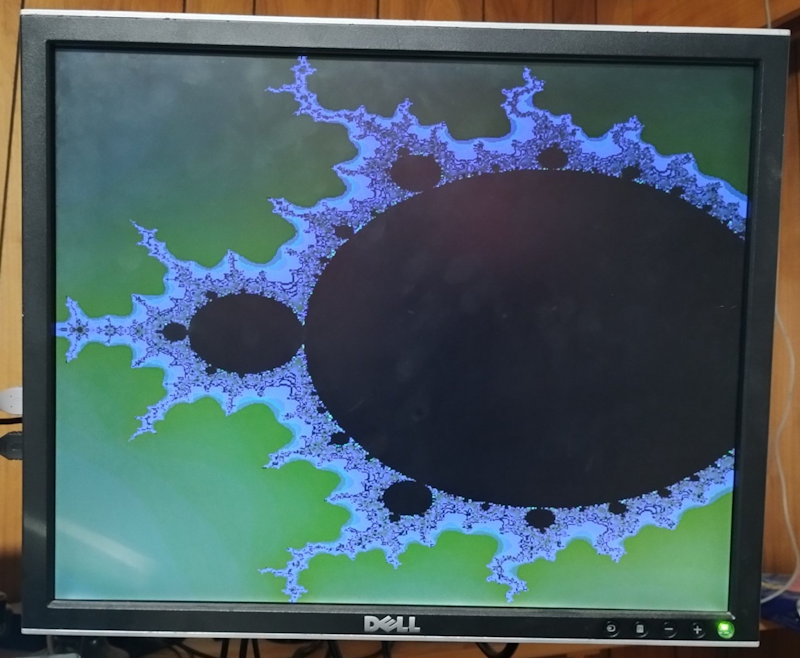
Examples in the repo include Mandelbrot fractal generation, a circle-based spectrogram, circular framebuffer “piano roll”, and waterfall display of incoming USB audio. A driver for Xbox 360 gamepads, found in the same repo, opens up interesting possibilities for game emulation, when combined with the video out functionality. The ever-evolving USB Host library can be found on GitHub.
Cyberpunk-2077-Inspired Guitar

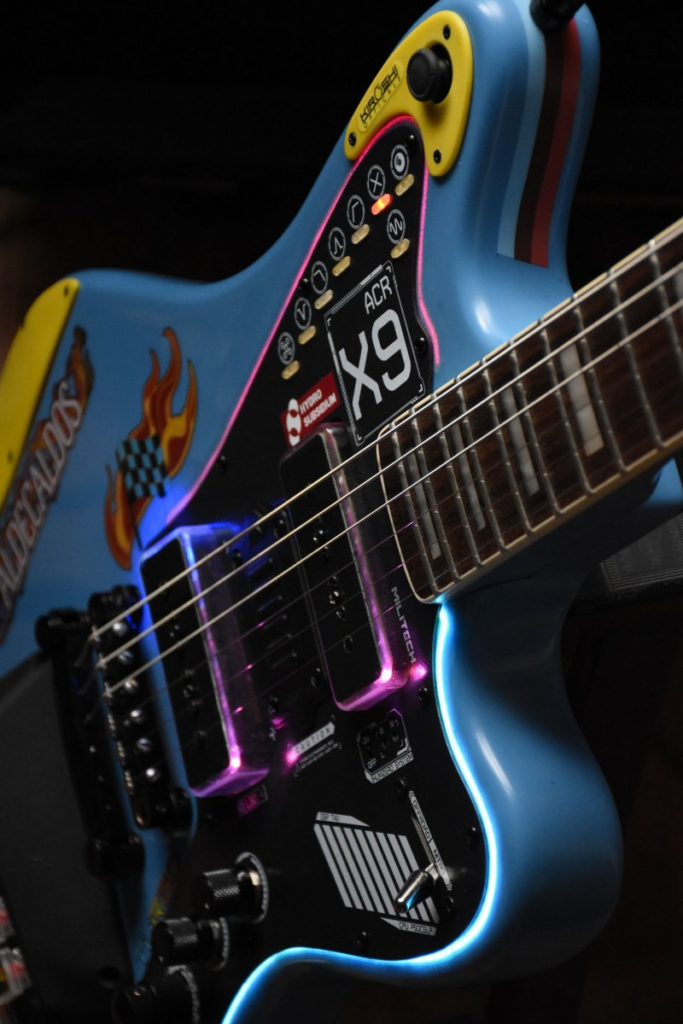
Piotr Zapart has built an absolutely stunning Teensy-powered Cyberpunk-2077-inspired guitar with built-in effects and more.

Representing more than a year’s work, the DIY Fender Jazzmaster-style silhouette hides astonishing functionality inside. The humble pickguard is in fact a PCB, with built-in capacitive touch buttons and X-Y pad. Hidden deeper inside is the analog effect section, built around an Analog Devices SSM2164 Quad Voltage Controlled Amplifier, which combines all of the audio and processing into the guitar’s mono output.

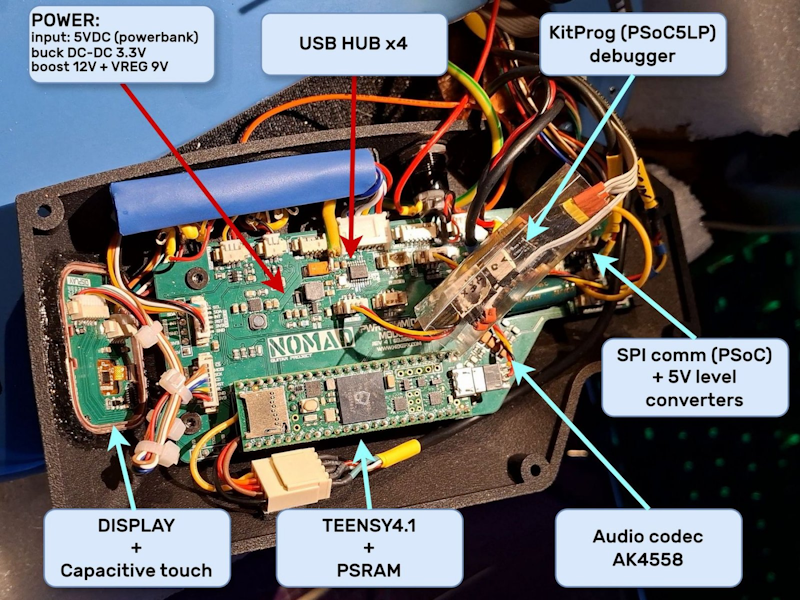
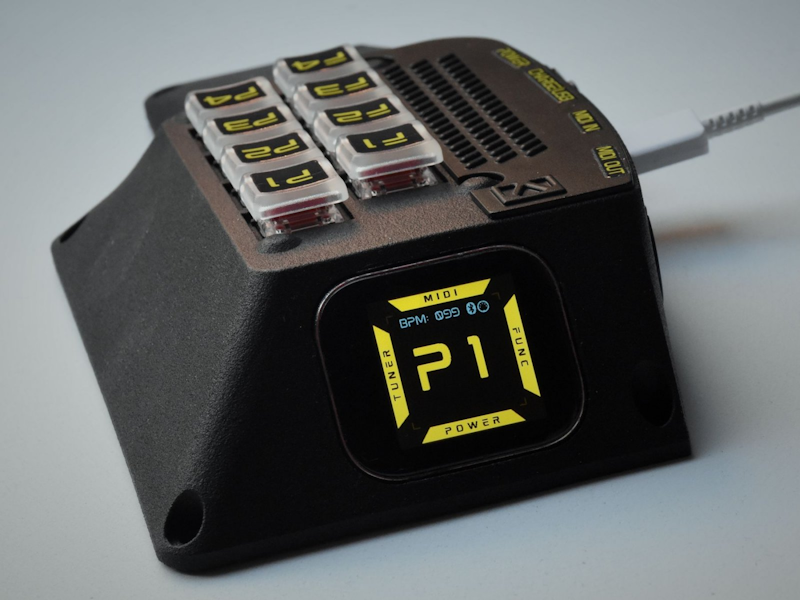
Around back, a Teensy 4.1-powered DSP and power module is housed in a 3d-printed enclosure. The Teensy provides MIDI and power management, plus extensive digital effects, including a drone synth, looper, and sample player. Eight keyboard switches, a button gamepad joystick, and a repurposed smartwatch display provide control.

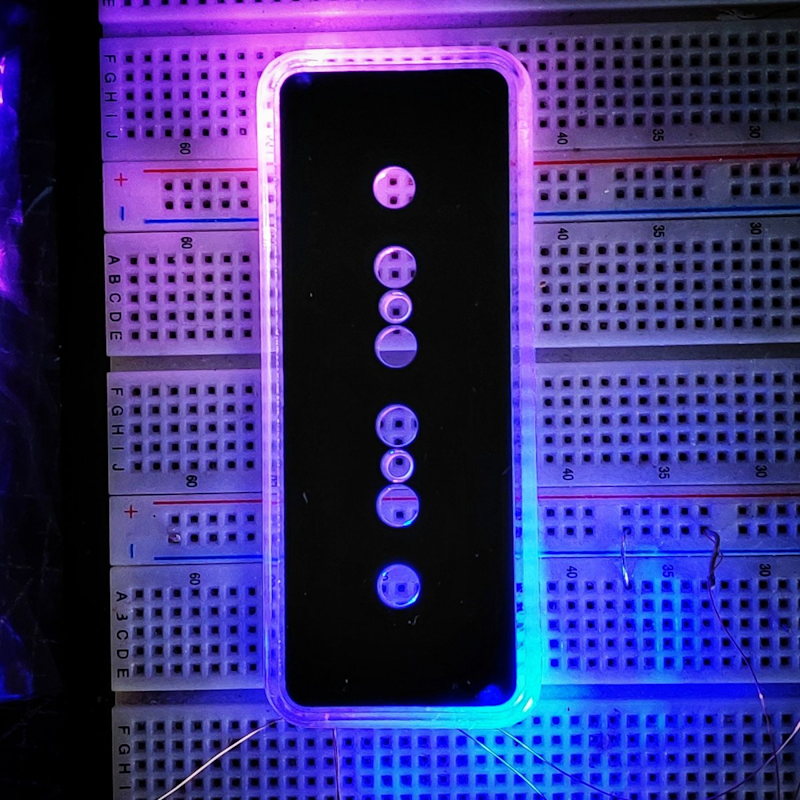
Among the many fascinating details of this project are the LED-illuminated P90 pickups, which indicate their status via colour, and required their own pickup winder to be developed, in addition to transparent 3d-printed resin covers.

More details (and pictures!) from this incredible build can be found in the original forum thread, and in the video below!

FFT Musical Light Show

Most audio spectrum analyzers feature a number of vertical bars, which grow based on the amplitude of a given frequency band. Evan Rust wanted to take this concept and make it linear, and more colourful, which he accomplished in his Teensy 4 Musical Lightshow.

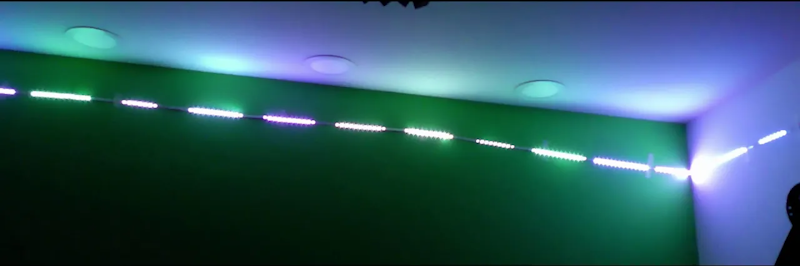
Powered by a Teensy 4.0, the light show uses 240 WS2812 LEDs to represent the frequency bins. A Teensy 4 Audio Shield is used with the Audio System Design Tool to amplify audio from a WAV file on the SD card, then uses a 1024-bin Fast Fourier transform (FFT) analyzer to isolate frequencies and sort their amplitudes into the appropriate bin. These are reduced to 16 bins, with more weight given to lower frequencies, while the peak of the current waveform is read in order to determine the LEDs’ brightness. The WS2812Serial library leverages DMA for fast response, with 15 LEDs per bin, and colours assigned randomly. See it in action in the video below, and check out the Hackster project for more info and code.

Mini Electronic Saxophone

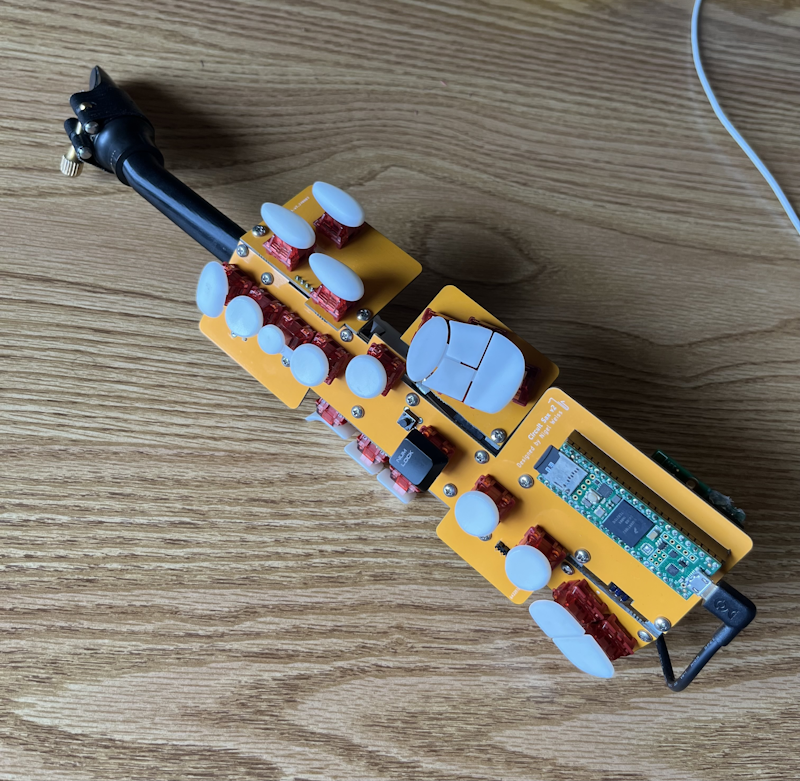
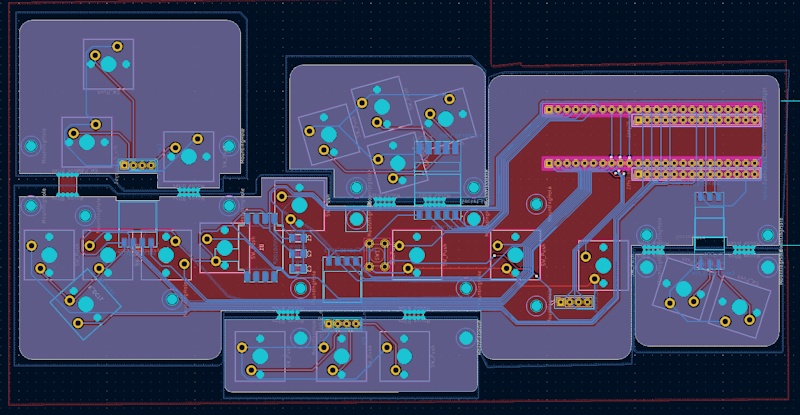
Nigel Weiss has created the Circuit Sax, a mini electronic saxophone, made with mechanical switches, custom 3D-printed keycaps, and featuring breath input for a realistic saxophone feel.

A 3.5mm audio jack provides audio output, with MIDI available via USB. Motion detection enables vibrato, and a custom neck allows the use of any alto saxophone mouthpiece. A Teensy 4.1 and Audio Shield along with the Teensy Audio Library and Audio System Design Tool generate synthesized output, as well as applying filters and effects to create the desired sound, with pitch determined by keypress, and expression via the breath pressure sensor.

Extensive details, including source code, STL files for the 3D-printed parts, and demonstration videos, are available on the project’s GitHub repo.