Polyphonic Digital/Analog Synth

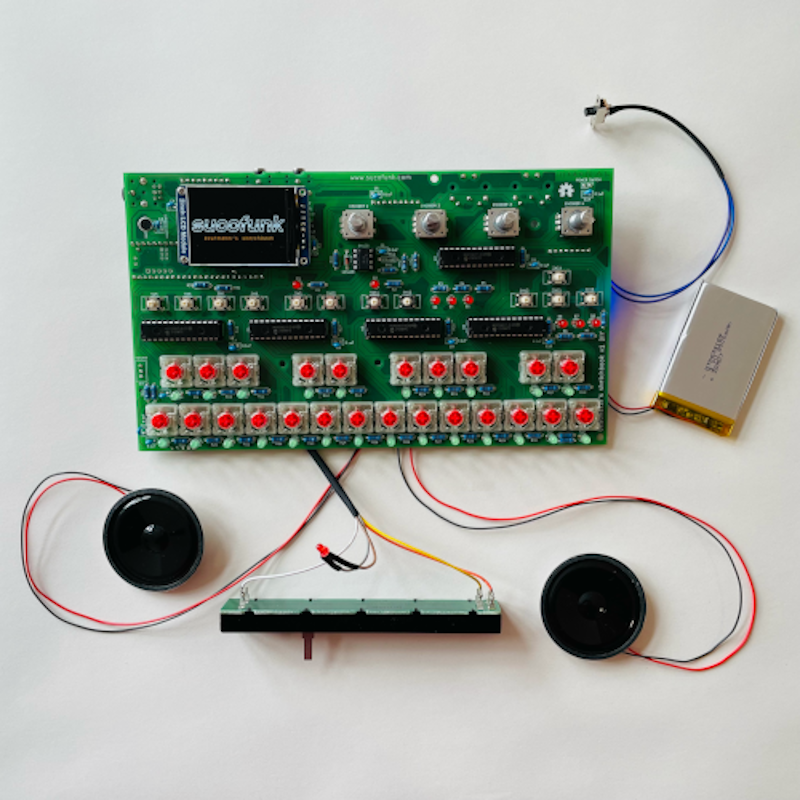
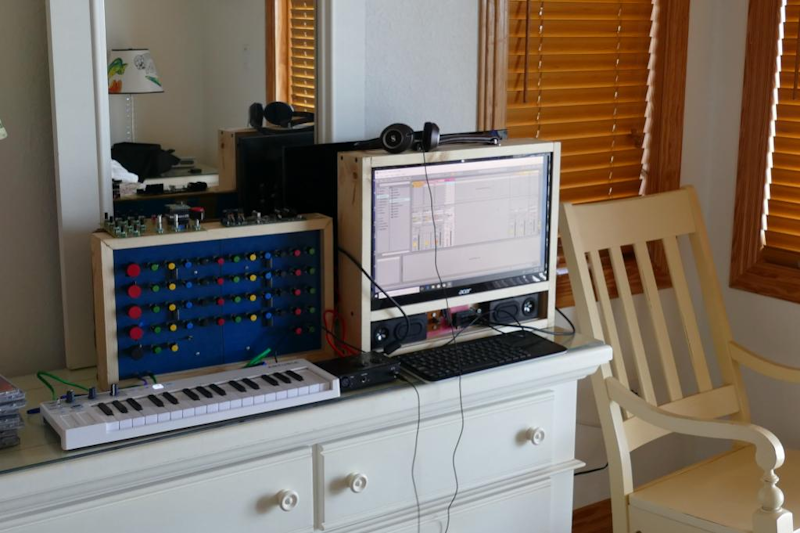
Back in 2017, Paul designed a board for the Cirrus Logic CS42448 chip, which provides gobs of high-quality audio I/O, and shared it on OSH Park. PJRC forum member tubelab.com picked up a few of them, and created a 6-voice polyphonic hybrid digital/analog synth.

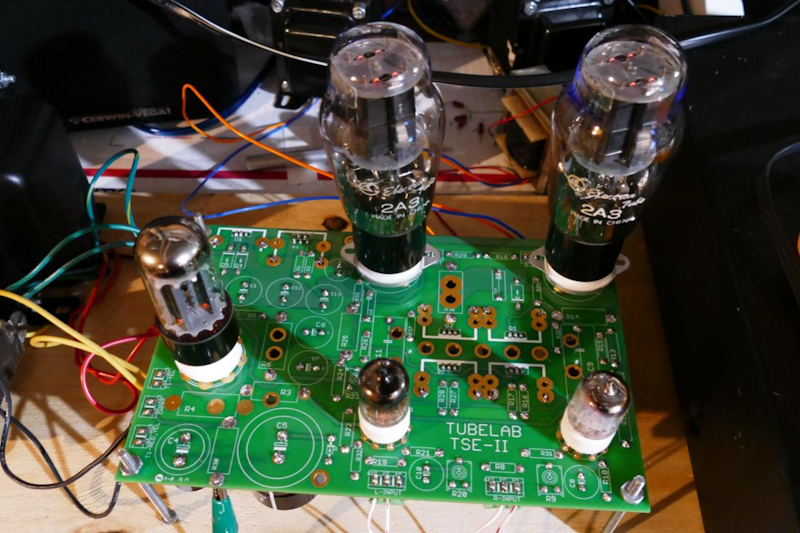
The eventual goal is to fit the project inside a guitar, but for now, it uses vacuum tubes for its Moog-style ladder filter, giving it that signature fat Moog sound.

The aim is to achieve six notes of polyphony with three oscillators per note, requiring 18 VCOs. Control is via standard 1V/oct or MIDI. Check out the video below for an overview, and stay abreast of updates via tubelab.com.

Dynamic Crankshaft Balancer

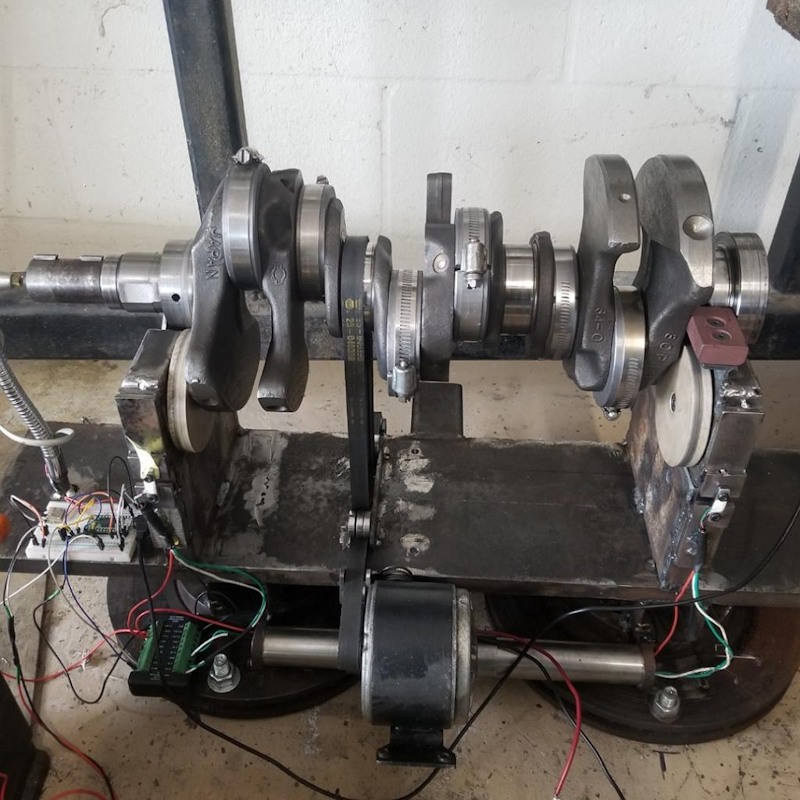
Ash Powers long dreamed of creating a crankshaft balancing rig, and through a combination of mechanical, electrical, electronic, and software expertise, his dream is now a reality.

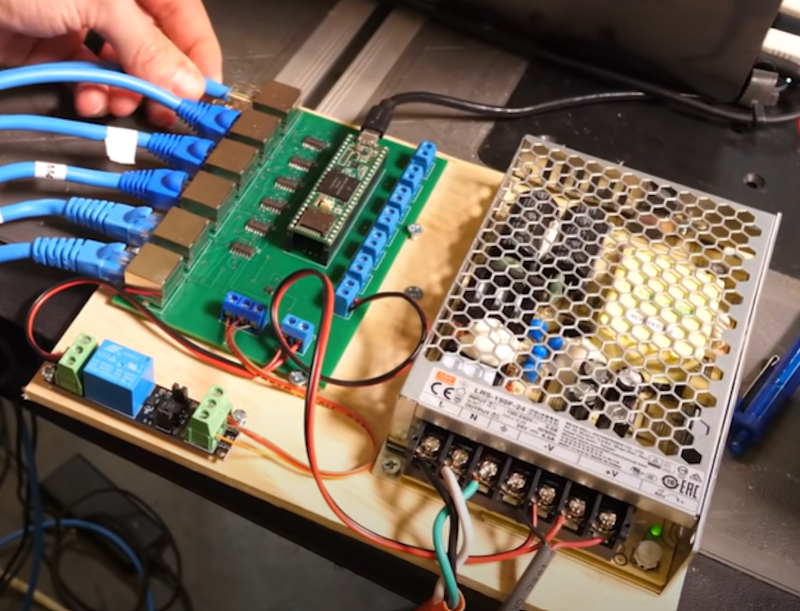
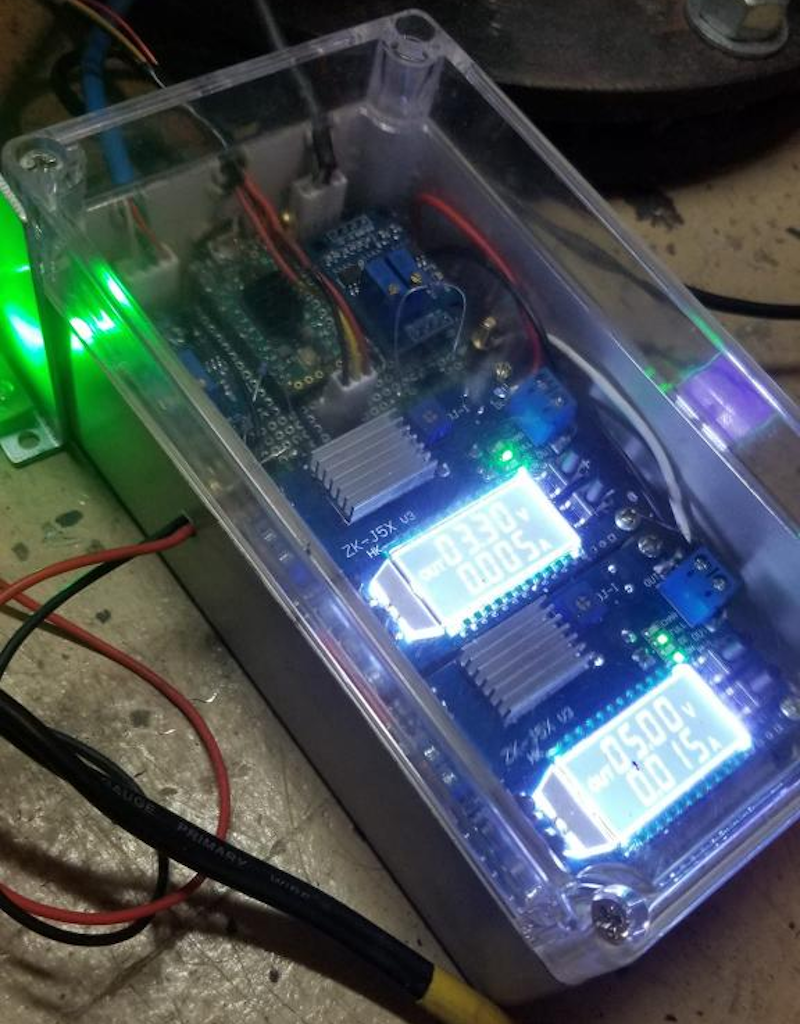
The system is built around a Teensy 4.0, connected via gain amplifiers to a pair of load cells harvested from cheap digital scales. A magnetic rotary angle position sensor tracks rotations. The balancer averages ten samples from each load cell per degree of rotation, over 150 revolutions. This data is then sent via serial to a PC running custom Visual Basic software for analysis. Learn more and see it in action in the video below!

Pneumatic Robotic Skin

Researchers from Prof. Joohyung Kim’s KIMLAB (Kinetic Intelligent Machine LAB) at the University of Illinois Urbana-Champaign (UIUC) have developed a low-cost, easy-to-reproduce “pneumatic skin” that gives robots a sense of touch.

The solution consists of a 3d-printed TPU structure, attached to the robot arm with magnets. Eleven of these pneumatic pads, each coupled with a Honeywell ABPDANT005 pressure sensor, are connected to a PCB. The PCB is in turn connected to a USB hub, which interfaces with a Teensy 4.0. The video below demonstrates the system in action, including detecting a human arm caught in the robot’s elbow joint, which halts operation.

VoiceBot Language Helper

PJRC forum member VoiceBotX has created VoiceBot, a second language fluency-builder in the form of a Teensy 4.1-powered robot.

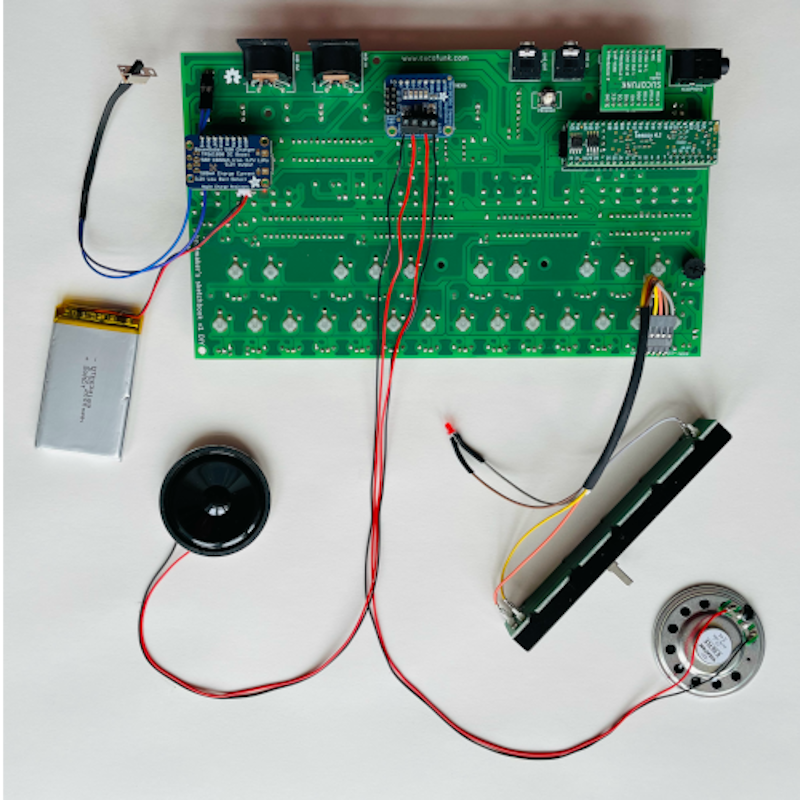
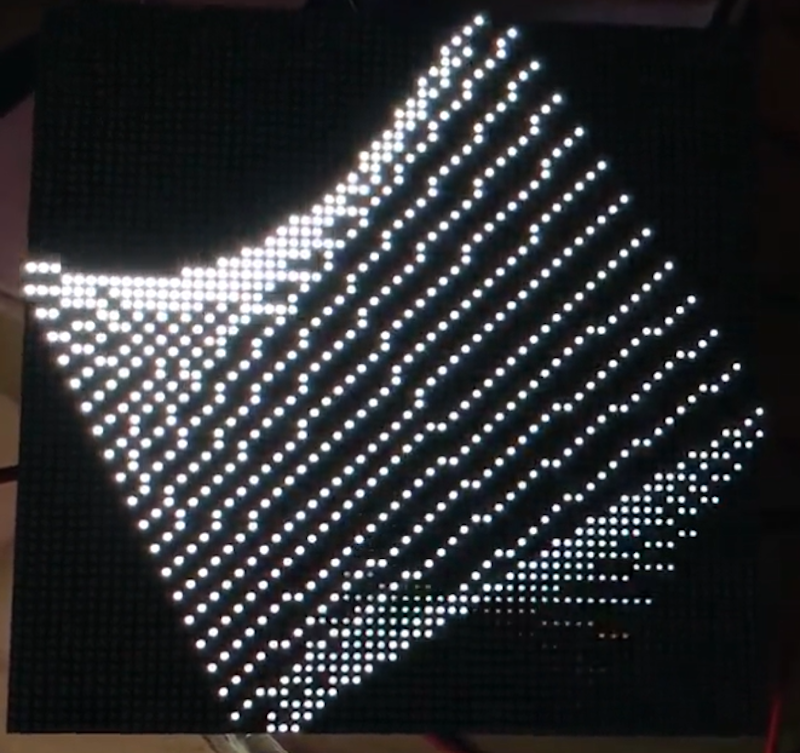
Contained in the 3d-printed shell is a Teensy 4.1 and Audio Adaptor Board, as well as haptic motors and drivers, some extra RAM, and an 8×8 RGB LED matrix. Using Teensy’s Ethernet, or USB serial via Chrome, the bot transmits a stream of visemes (speech sounds) to a web site, while also displaying them on the matrix, resulting in a lipsync-like representation of speech audio.

Science World Building Model Lighting

OH! is a sculpture created by PJRC forum member brendanmatkin and the Tangible team, which controls the lights on the Telus World of Science’s geodesic dome.

Based on the Teensy 3.5, OH! is a 1:60 scale model of the building, covered with 240 sensors, and connected to its full-scale counterpart by an LTE router.

When the sensors are interacted with, the corresponding light on the “real” dome is illuminated with various animations, such as sparkles, bands, and waves. PCA9617 I2C bus repeaters connect the 240 sensors, with a WIZ820 network module providing Ethernet. The Teensy also outputs an OSC signal on the LAN for the remote laptop to turn into music via Pure Data. Each sensor features an ATtiny841 microcontroller, an LED, and an IR sensor. Marvel as the Vancouver public animates the skyline with their very own hands in the video below.