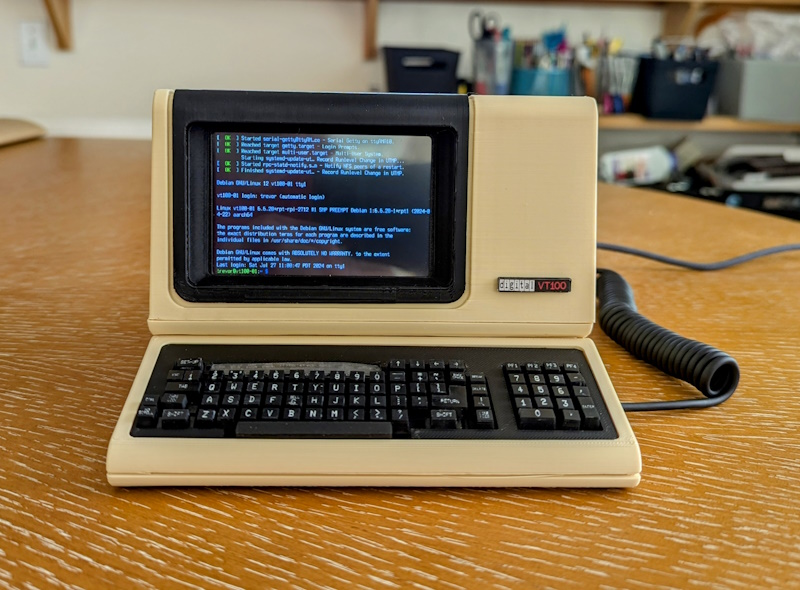
Gone are the days of needing a mainframe or even desktop computer to run your Lisp code, now you can use a handheld device complete with display and full keyboard and powered by a Teensy 4.1.
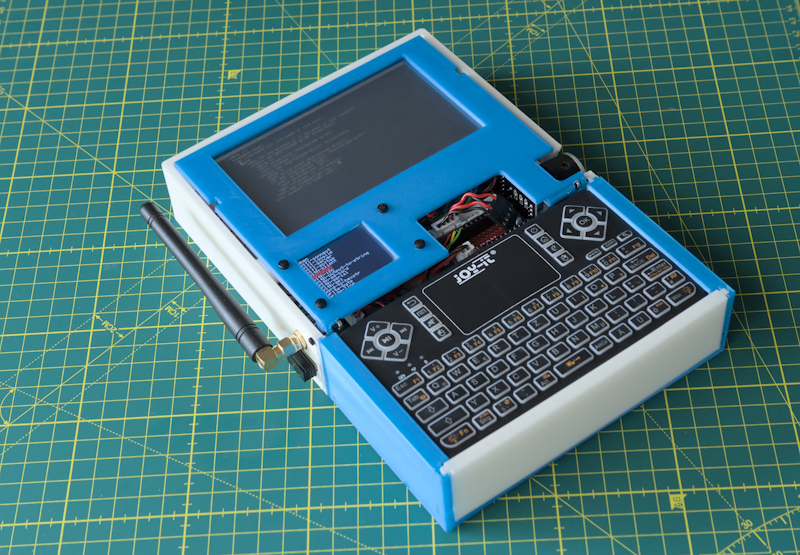
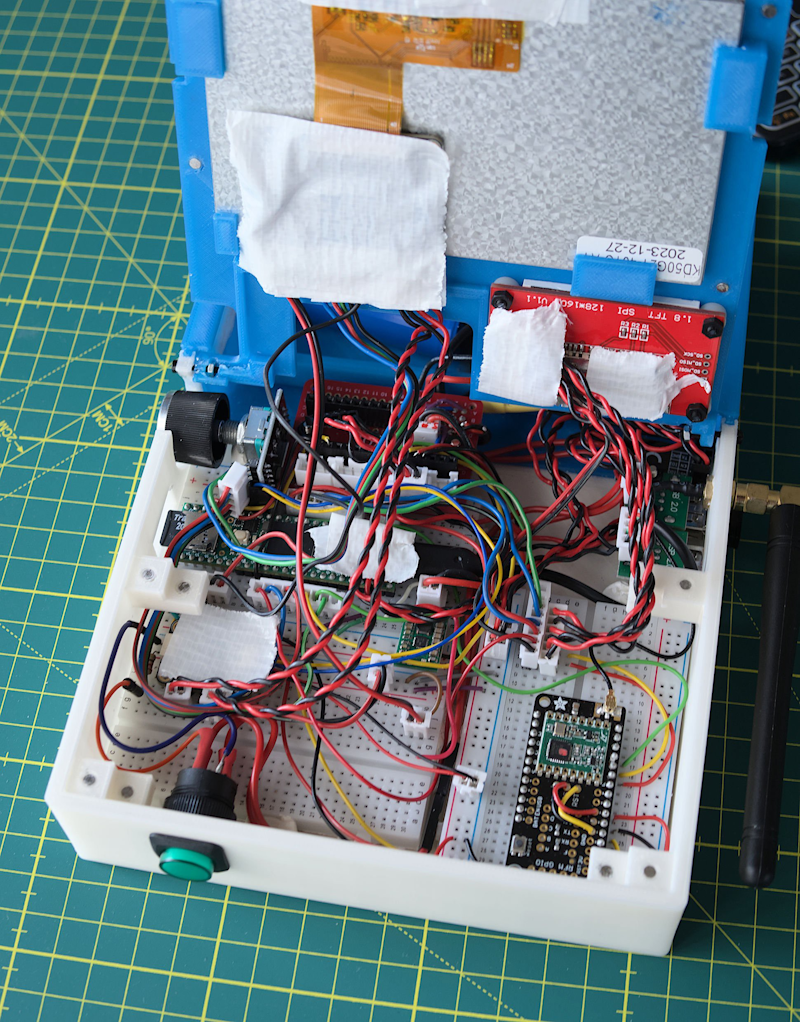
Unless you’re the lucky owner of one of those Cray-1 supercomputers that both runs Lisp and has built-in seating, you’re likely going to have to give in and get up to find the closest Lisp machine. Unsatisfied with this status quo, maker and microcontroller enthusiast Hartmut Grawe envisioned a new solution in the form of the LispDeck, a Teensy 4.1-based handheld cyberdeck that runs the microcontroller-optimized uLisp programming language. An RA8875-driven touchscreen and USB mini keyboard enable comfortable Lisp editing, with files saved and loaded from the Teensy’s SD card. A smaller 160×128 TFT screen and rotary encoder add “Lispy Little Helper” functionality to the editor, providing convenient access to the full list of uLisp symbols. RFM69 and ESP8266 modules provide LoRa and Wi-Fi respectively, with both programmatically accessible from the editor.
More detail can be found on Hackaday, with firmware and STL files on GitHub.