MiniTouch 2.0

We’re big fans of Emmanuel Presselin’s original Teensy 3.2-based MiniTouch low-cost synth for children’s music workshops, so we were keen to find out more details when he mentioned a new Teensy 4.0-based MiniTouch 2nd Edition!
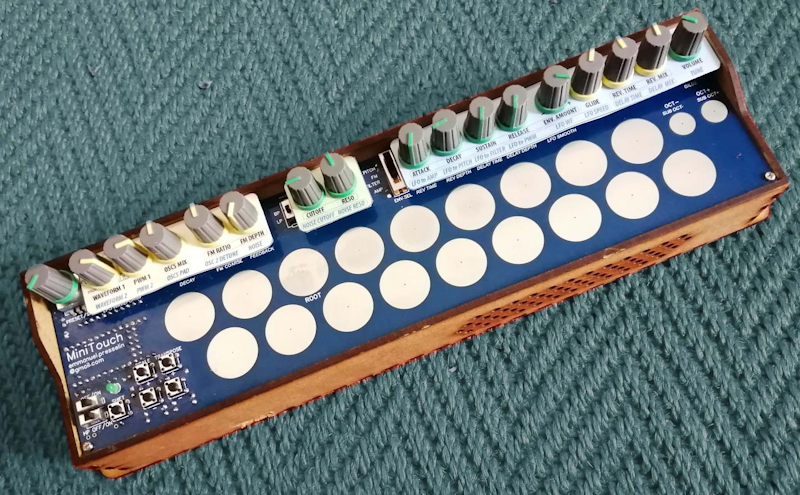
The MiniTouch 2.0 features a larger 18-note capacitive touch keyboard, two oscillators (up from one), 8-voice polyphony (from 4), FM and AM “ring” modulation, a noise generator with ladder filter, high- and bandpass filters in addition to the existing low-pass, per-voice filters (with note tracking) vs. a single global filter, and delay and reverb effects. A MIDI interface, EEPROM-backed presets, USB MIDI host, and a new PAM8406 class-D amplifier and larger speaker all bring quality-of-live improvements, while still remaining accessible for workshop participants with around a $35 BOM cost. See it in action below!
Racing Rig Dashboard

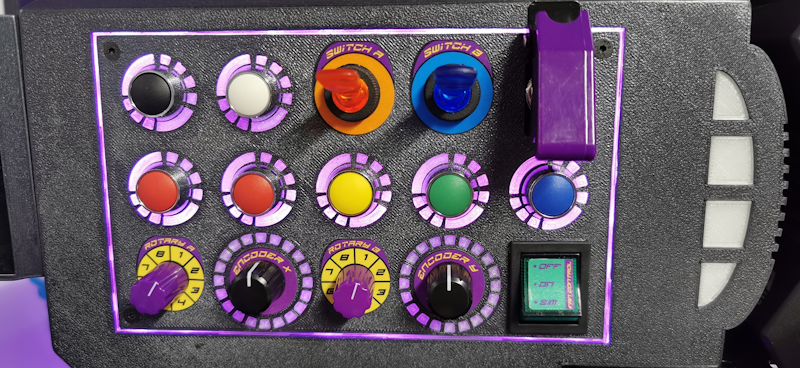
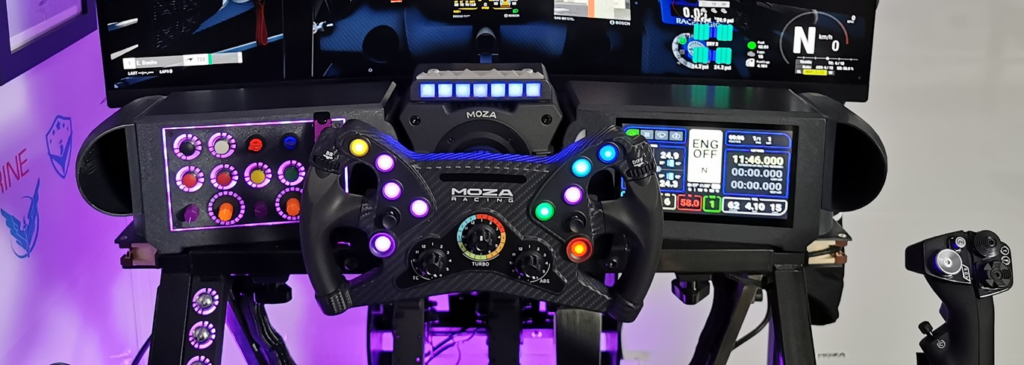
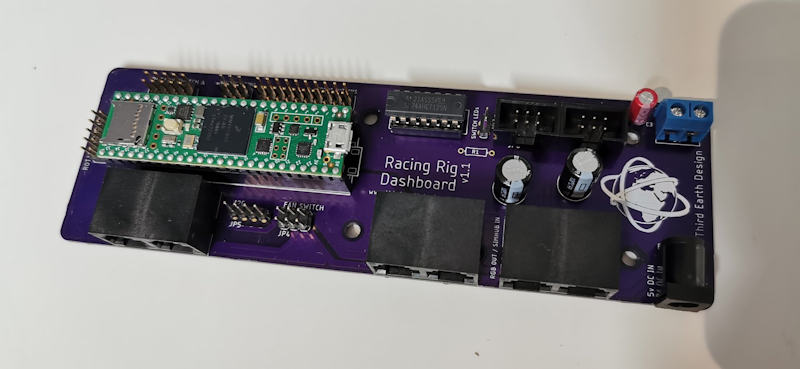
ThirdEarthDesign has shared their first project, a sim rig button box.

Based on the Teensy 4.1, it uses a custom joystick interface via USB HID to extend the functionality of an already-impressive rig.

The “box” features 13 momentary buttons, three toggle switches, two eight-way rotary switches (effectively 16 more inputs), X and Y axis inputs via two further rotary encoders, and Z axis via analog Hall effect sensor.

WS2812 RGB LEDs provide backlighting, and two PWM fans simulate the feeling of wind! A 3d-printed enclosure, Cricut-created labels, and a custom PCB round out the professional-looking package. More information and pics on the PJRC forums.

XY Midi Foot Controller

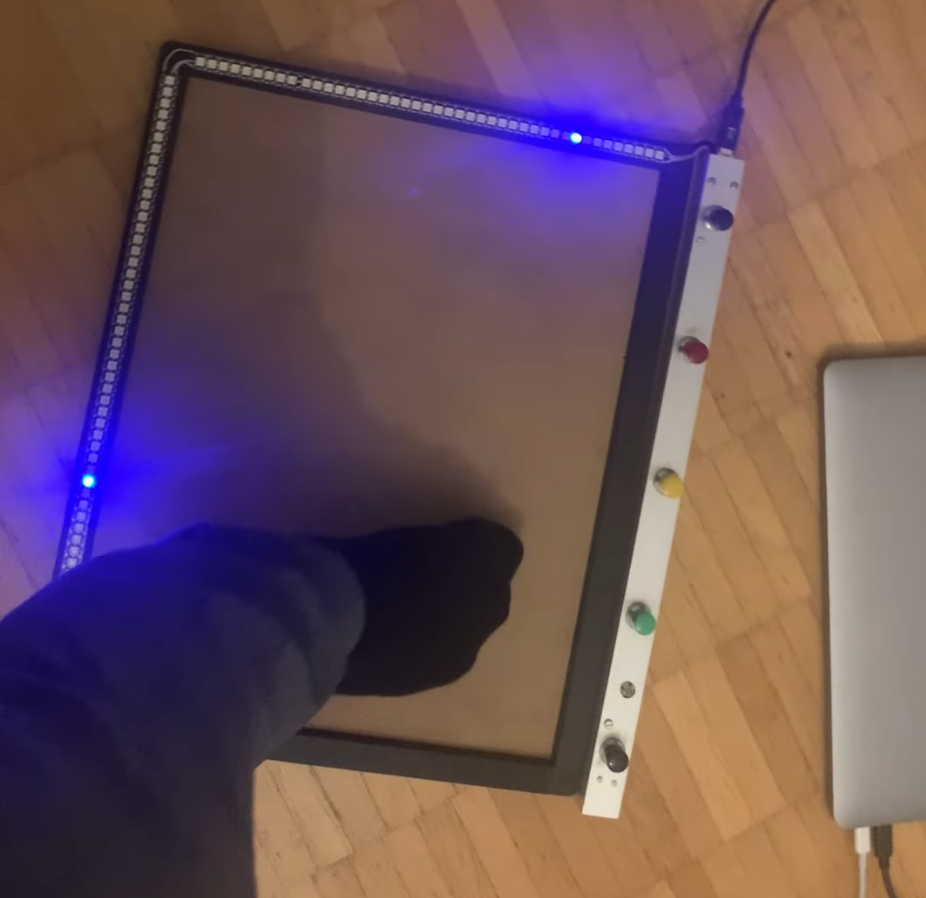
PJRC forum member lokki, who you may recall from their unique MIDI Bass Guitar project, is back with another fun musical creation, this time in the form of an infrared foot controller.

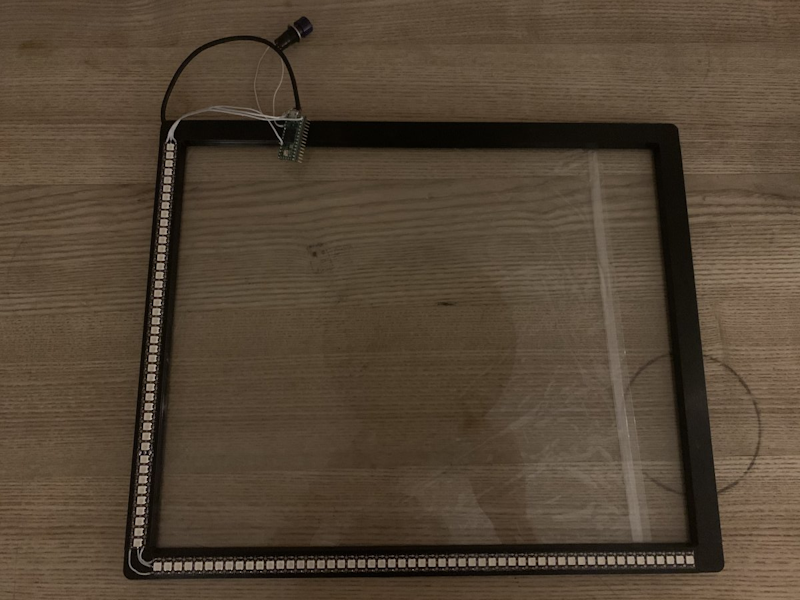
Based on the Teensy 4.0, this project uses USB Host to transmit the X-Y position of an object (such as a foot) inside the frame to a connected computer; sort of like a giant Kaoss Pad for your toes! In addition to the IR frame, WS2812 LEDs along the edges help indicate the detected coordinates, and four big buttons allow the user to switch between modes.

More information and source code can be found on the PJRC forums, and a demonstration can be seen in the video below.